The short answer
Most Australian households pay somewhere between $1,200 and $2,600 for a 7 kW home charger supplied and installed, based on installer price indexes tracked across the states in 2026. The NSW Government puts the full range, from a basic smart power point to a high-end unit with a complex install, at $200 to $5,000+. What you actually pay depends less on the charger brand and more on your switchboard, wiring distance and whether you have single or three-phase power.
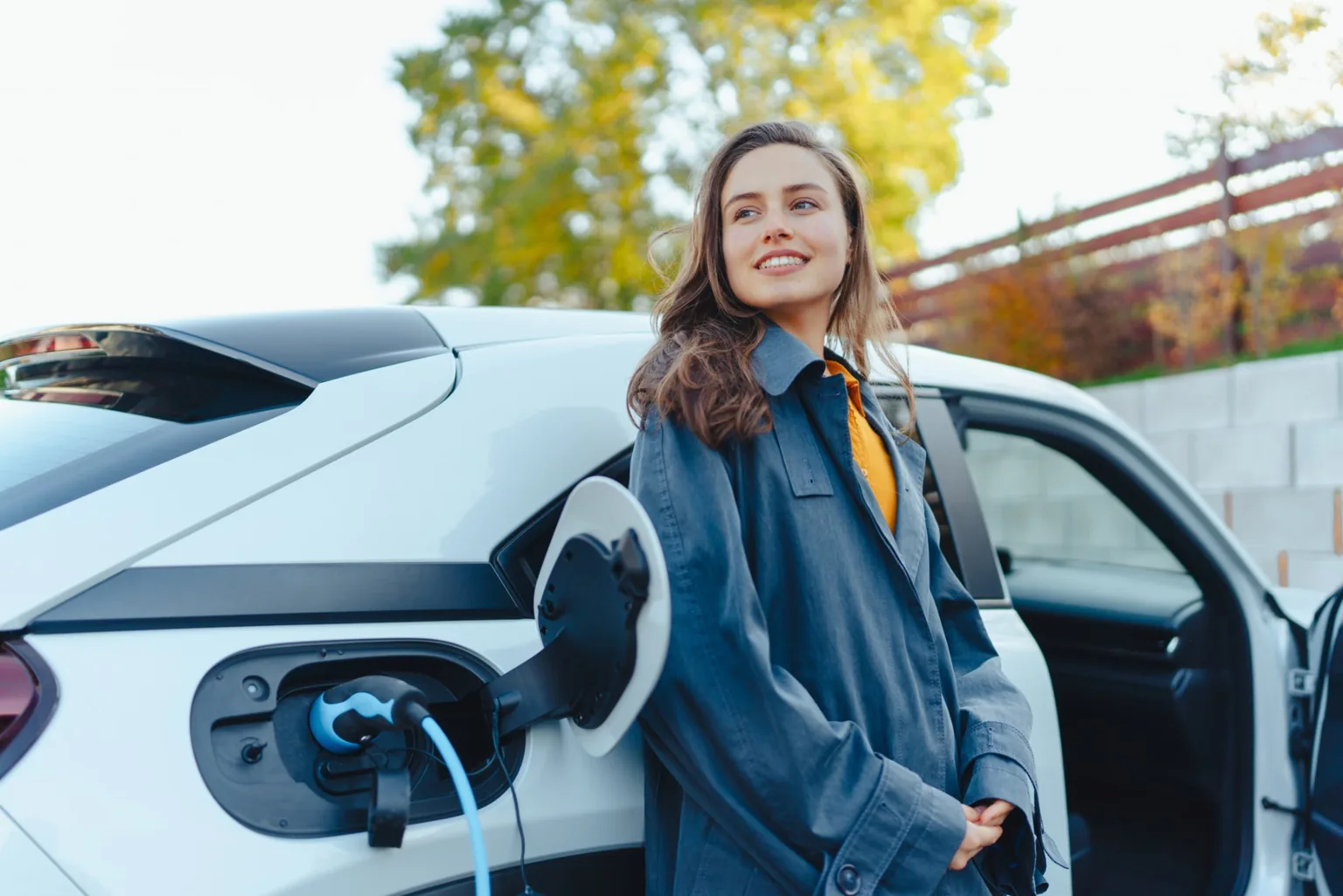
Your three charging options
The right setup depends on how far you drive, your switchboard and your budget.
Standard power point
~10–15 km of range per hour
Nothing, if you already have a suitable outdoor socket
Every EV sold in Australia can charge from a regular 10-amp socket using the portable cable that comes with the car. Fine for low-kilometre drivers, frustrating for everyone else.
7 kW wall charger
~40–50 km of range per hour
$1,200 – $2,600 supplied and installed (typical 2026 range)
The sweet spot for most homes: a dedicated unit on a single-phase supply that comfortably fills most EVs overnight.
11–22 kW charger
Faster again, if your car can accept it
Higher hardware cost, plus possible three-phase upgrade
Only worthwhile if your home already has three-phase power. Upgrading a single-phase home can add thousands, so it rarely makes sense for charging alone.
What pushes the price up or down
- Switchboard condition. An older board may need an upgrade or a dedicated circuit, often the biggest single variable.
- Distance from switchboard to charger. More cable and conduit means more labour.
- Single vs three-phase supply.
- Smart features. Solar-aware charging, load management and app control add to the hardware price but can pay for themselves in cheaper running costs.
A licensed electrician must install any fixed charger; this is not a DIY job.
What it costs to run
Charging at home is usually the cheapest way to fuel an EV:
- Off-peak tariffs in most states sit around 14–20 cents per kWh. A 60 kWh battery filled overnight costs roughly $9–$12; compare that with a tank of petrol.
- Rooftop solar makes it cheaper still. A solar-aware charger can soak up surplus generation in the middle of the day instead of exporting it for a small feed-in tariff.
- Public fast charging, by contrast, commonly costs two to three times the home off-peak rate.
Our EV charging savings calculator compares your current fuel spend with home charging on your actual tariff.
Are there rebates?
Direct rebates for home chargers are limited in 2026; the earlier state EV purchase rebates have largely ended. Support now tends to target apartment and strata buildings (for example, NSW grants to make buildings EV-ready) rather than detached homes. Check energy.gov.au for current programs before you budget.
The bottom line
If you have off-street parking, a 7 kW charger on an off-peak tariff is the convenient, cheap-to-run setup most EV owners end up with. Get the wiring assessed before you buy the hardware.
Before you accept a quote
- Ask for a switchboard assessment first; it is the biggest cost variable.
- Get the cable run distance and any switchboard upgrade itemised in writing.
- Confirm the charger suits your car's maximum AC charging rate; a faster unit won't help a car that can't accept it.
- Ask about solar-aware or scheduled charging if you have rooftop solar or an off-peak tariff.
- Make sure a licensed electrician does the work and the quote includes compliance certification.
Then compare running costs with our EV charging savings calculator. Calculator results are indicative estimates, not a quote or a guarantee.
Home EV charging questions, answered
A note on the numbers
Installation costs vary with your switchboard, wiring and chosen charger. This guide is general information, not a quote. Read our disclaimer.
Ready to charge at home?
We'll match you with one verified, accredited installer who can check your switchboard and recommend the right unit. Free, with no obligation.
Get my free quote